Safety Week Ideas 2026: 5 Fun Ways to Make Workplace Safety Better : 5 Creative Initiatives to Transform Workplace Safety
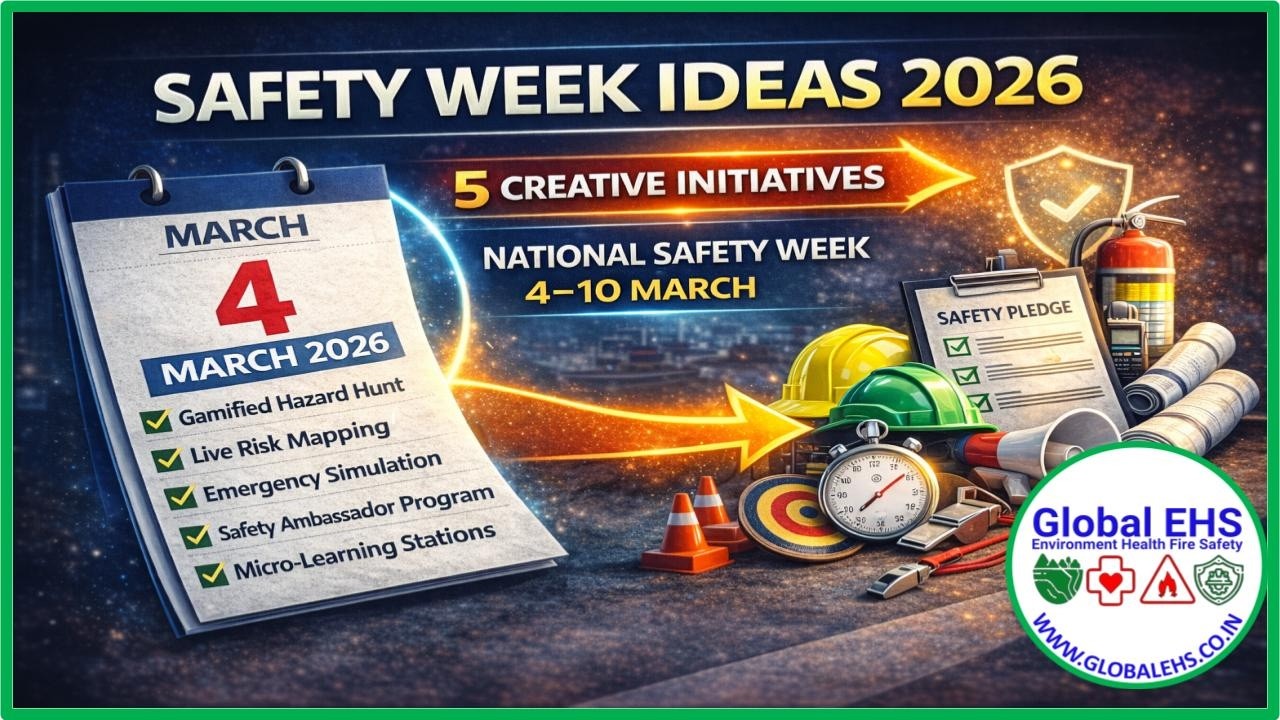
Don’t make your employees bored with old slides and boring talks. If your Safety Week Ideas 2026 look like they did in 2020, then you are not making safety better. Instead, you are just making sure you follow the rules.
Safety Week Ideas 2026 need to be exciting, fun, and easy to measure. Otherwise, people won’t care and the safety culture will not get stronger.
🎥 Watch Safety Week Ideas 2026 | 5 Creative Initiatives to Transform Workplace Safety (English)
You may also explore:
- National Safety Day 2026 Theme, Safety Week (4–10 March) & PDF Guide
- National Safety Day Themes 2010–2026
- Safety Pledge for National Safety Day
It is February 2026. Old meeting styles where someone just talks don’t work anymore. In fact, to build a safety culture where people care, you need to make safety an experience, not something that feels like a chore.
So, let’s stop just making people listen and start making them take part.
🎥 Watch National Safety Week 2026 Complete Guide (English)

Why Traditional Safety Week Fails
A lot of companies still use slides and speeches. But people forget most of what they hear within a few days.
Because of that, they don’t remember safety rules, and accidents don’t go down.
Therefore, Safety activities need to change. They must involve real action.
When people take part, they remember more.
1️⃣ Gamified Hazard Hunt Challenge
Imagine your team actually looking for safety problems instead of just sitting Fand listening.
For example, create a scavenger hunt around the workplace. Split employees into groups. Give them lists that match OSHA rules.
Then, give points for finding real dangers.
This helps people recognize risks and work better as a team.
Moreover, using games in safety activities helps people remember more.
Because they’re doing something, they pay more attention.
2️⃣Live Risk Mapping Workshop
Instead of just looking at reports, draw safety risks on a map.
Bring groups together and give them floor layouts. Ask them to mark where risks are.
Then, discuss those areas openly.
This makes employees like they are safety experts.
It makes people take responsibility.
When workers see risks on a map, they understand why they matter.
Awareness is the first step in improving safety.
3️⃣ Real-Time Emergency Simulation
Drills help people react quickly.
For instance, do a real emergency drill and time how long it takes.
Include:
- How fast people can leave the building
- How well they use safety gear
- How communication works during an emergency
Right after the drill, have a meeting to talk about what went well and what didn’t.
This helps fix problems quickly.
Emergency readiness needs practice, not just talk.
4️⃣ Safety Ambassador Program
Pick volunteers from each team.
Train them on safety leadership, OSHA rules, and how to report issues.
After that, ask them to check safety in their groups every week.
This helps everyone take responsibility.
When safety is shared, then the whole team becomes more careful.
5️⃣ Micro-Learning Safety Stations
People don’t have long attention spans. Therefore, split training into short, fun, hands-on parts.
Examples:
- How to wear safety gear
- How to use a fire extinguisher
- Basic lockout procedures
- A quick first aid session
Next, let people move between stations.
Because the learning is quick and hands-on, they remember more.
Safety training should match how people learn today.
How These Safety Week Ideas 2026 Change the Culture
When companies use these new safety activities,
- Firstly, people become more aware of risks.
- Secondly, they also care more about safety.
- Instead of just listening, they take action.
- As a result, this makes the safety culture stronger.
- Also, it helps track how well things are working.
Organizations that update their safety week ideas see better results.
Every organization begins the event with a formal pledge.
Read and download the 👉 Safety Pledge in 11 Different Languages
📄 Download Safety Pledge
👉 Safety Pledge (English PDF)
👉 Safety Pledge (Hindi PDF)
Measuring Success for Safety Week Ideas 2026
Track:
- How many people took part
- How many safety issues were reported
- How long it took people to respond in drills
- What people said about the activities
- How many close calls were reported
Then, compare these numbers to last year.
Improvement shows that the culture is getting better.
🎥 Watch National Safety Day Themes 2010–2026 (English)
📥 Download Complete Theme List
👉 National Safety Day Themes 2010–2026 Complete List (English PDF)
👉 National Safety Day Themes 2010–2026 Complete List (Hindi PDF)
Key Takeaways for Safety Week Ideas 2026
- Safety Week Ideas 2026 should be active, not just talks.
- In other words, using games makes people more interested.
- Mapping risks helps people understand dangers.
- Drills make people ready for emergencies.
- Ambassador programs make everyone responsible.
- Small learning sessions help people remember more.
Ultimately, modern safety depends on people taking part.
Planning National Safety Day activities? Here is everything you need in one place.
👉 National Safety Day 2026 Theme, Safety Week & Safety Month Guide (English PDF)
👉 National Safety Day 2026 Theme, Safety Week & Safety Month Guide (Hindi PDF)
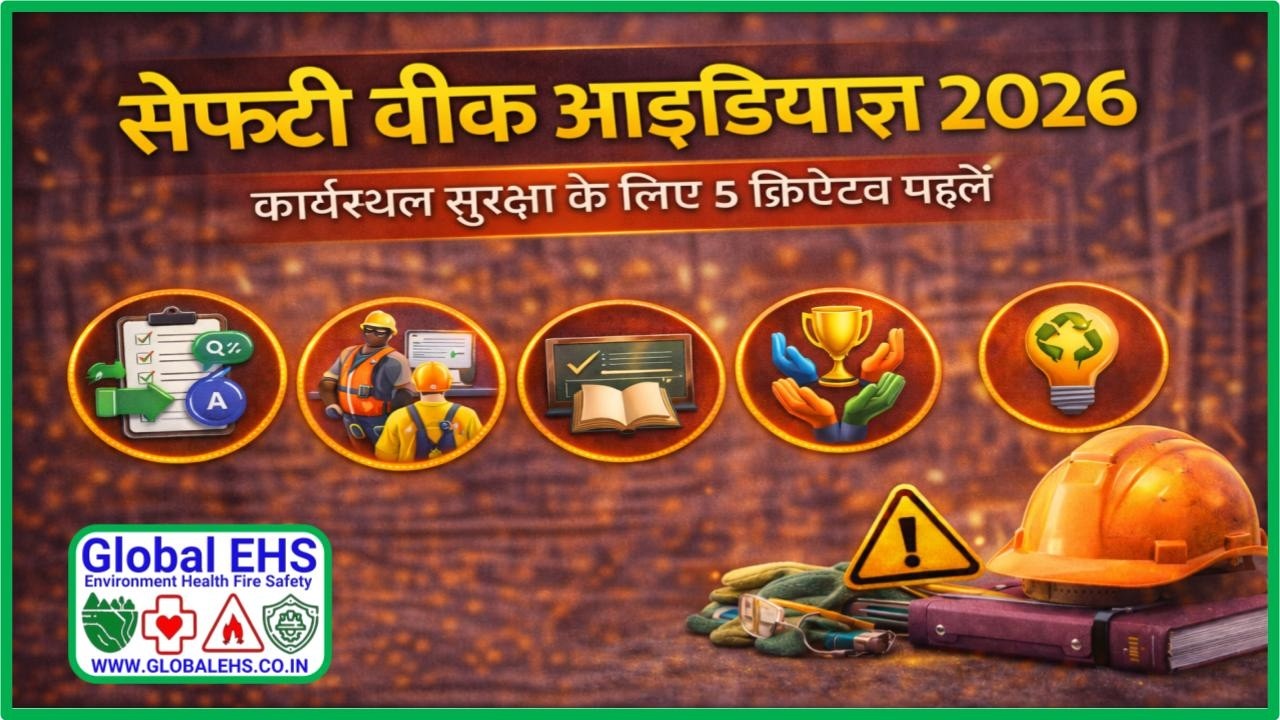
🎥 Watch Safety Week 2026 को रोचक कैसे बनाएं? | सेफ्टी वीक आइडियाज़ 2026| 5 Powerful Ideas | Hindi
Frequently Asked Questions
What are the best Safety Week Ideas 2026 for keeping employees interested?
Gamified hunts and emergency drills get the most attention.
How long should each Safety Week activity be?
Each session should be under 30 minutes to keep focus.
How do I make sure Safety Week follows OSHA rules?
Use OSHA guidelines when setting up the hunts and drills.
Can small companies use these ideas?
Yes.
These ideas need planning, not big budgets.
How do I know if Safety Week worked?
Look at how many people joined, what they said, how many issues were reported, and whether accidents went down.
Safety Week Ideas 2026 need to go beyond just following rules. When safety becomes something people enjoy, the culture changes. Engaged employees prevent accidents before they happen. This year, don’t repeat the past. Make experiences that protect people and help the company do better.