Chernobyl Accident 1986 remains one of the most important industrial safety case studies in history. It showed how reactor design, operating conditions, human factors and organizational weaknesses can interact. Therefore, its lessons remain relevant to modern high-risk industries.
- What Happened at Chernobyl?
- What Caused the Chernobyl Accident?
- Chernobyl Accident Timeline
- Reactor Design Weaknesses
- Human Factors and Safety Culture
- Emergency Response
- Radiation Release and Exposure
- Health Effects
- Environmental Effects
- Evacuation of Pripyat
- Chernobyl Containment
- Chernobyl Safety Lessons
- Lessons for Modern Industry
- Key Takeaways
- Frequently Asked Questions
- Sources
What Happened at Chernobyl Accident?
The Chernobyl Accident 1986 occurred at Unit 4 of the Chernobyl Nuclear Power Plant on 26 April 1986. At that time, the plant was located in the Soviet Union. Today, the site is in Ukraine.
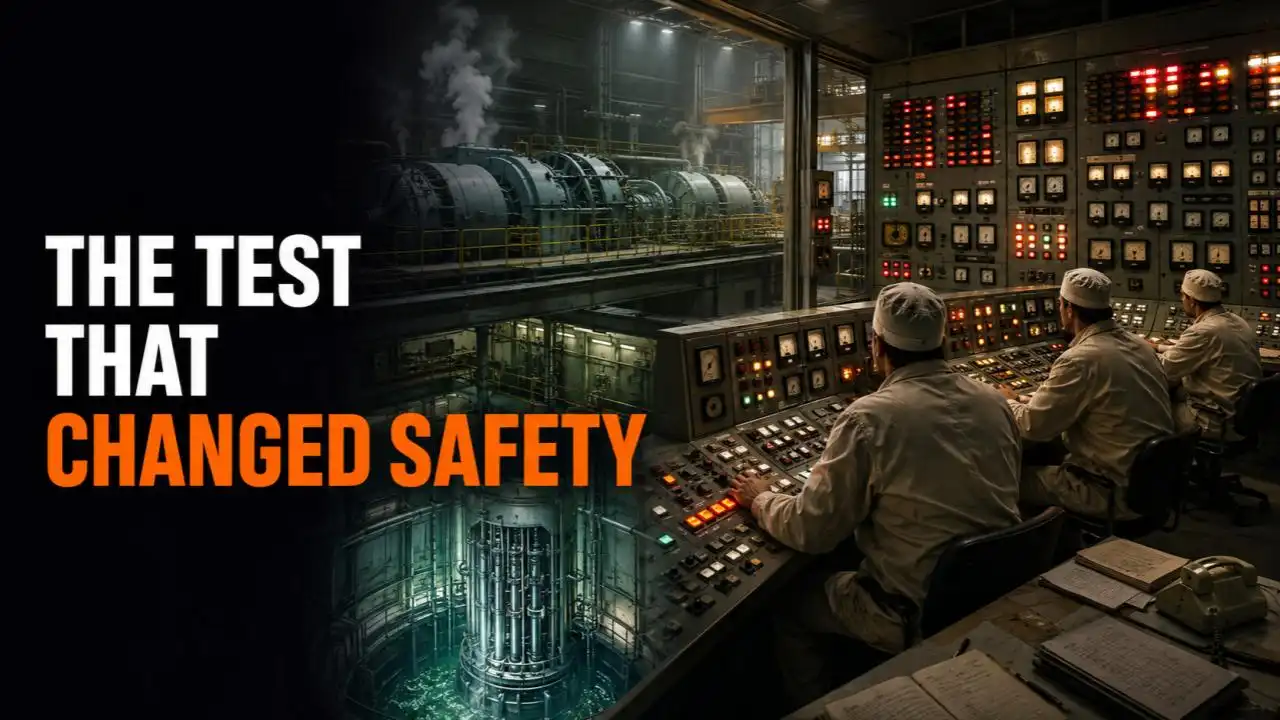
Operators were conducting a planned turbine test during a scheduled shutdown. The test examined whether the turbine could temporarily provide electricity after external power was lost. However, reactor conditions became increasingly unstable during the test.
Consequently, reactor power increased rapidly. The reactor was destroyed, and radioactive material was released into the environment.
What Caused the Chernobyl Accident?
The Chernobyl Accident 1986 did not result from one isolated mistake. Instead, several technical and organizational factors interacted. Therefore, understanding the accident requires a systems-based approach.
Unstable Reactor Conditions
Reactor power fell much lower than intended during test preparation. Operators then attempted to restore power while continuing the test. As a result, the reactor entered an unstable operating condition.
Reactor Design Characteristics
The RBMK reactor had design characteristics that could increase instability under certain conditions. In particular, the positive void coefficient could increase reactivity as steam formation increased.
Control Rod Design
The control rods were intended to reduce reactor power. However, their design could initially increase reactivity under specific conditions. Therefore, the emergency shutdown response did not behave as operators expected.
Organizational Factors
The accident also exposed weaknesses in safety management and communication. Moreover, important safety information about reactor characteristics was not adequately communicated to operators.
A safety-critical system should remain predictable during abnormal conditions. Furthermore, emergency controls should not create unexpected hazards.
Chernobyl Accident Timeline
Why Reactor Design Matters
The Chernobyl Accident 1986 demonstrated why engineering design must account for abnormal conditions. Safety cannot depend only on operators following procedures perfectly.
Positive Void Coefficient
A positive void coefficient means that increasing steam formation can increase reactor reactivity under certain conditions. In the Chernobyl reactor, this characteristic contributed to instability during the accident sequence.
Emergency Shutdown Behavior
Emergency shutdown systems must produce predictable results. Otherwise, a protective action can become part of an accident sequence.
Therefore, safety-critical equipment requires rigorous design review, testing and validation.
Human Factors and Safety Culture
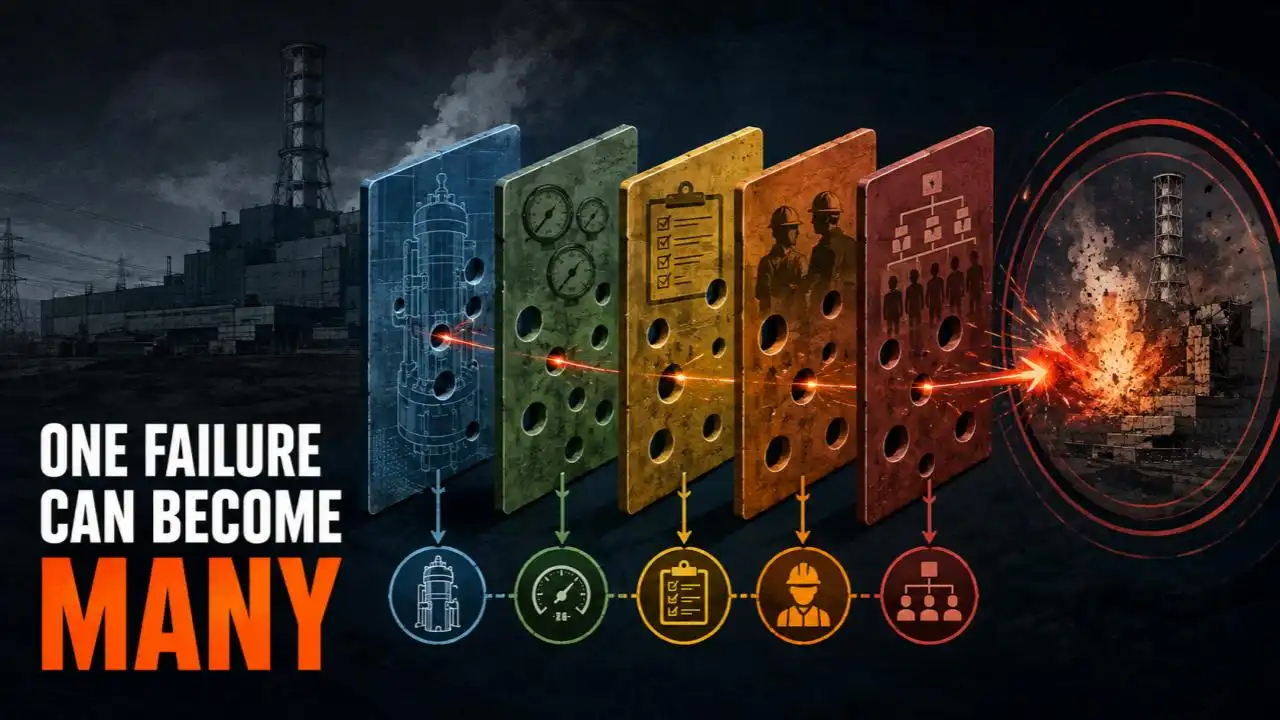
The Chernobyl Accident 1986 also demonstrates why accident investigations should examine systems instead of blaming individuals. Human decisions occur within procedures, equipment, training and organizational pressures.
For example, workers may make mistakes under pressure. However, strong safety barriers should prevent one mistake from becoming a catastrophe.
Therefore, organizations should examine training, supervision, communication, workload and equipment design.
Leadership Responsibility
Safety leadership influences operational decisions. Moreover, production targets should never silently override critical safety controls.
Worker Participation
Workers often identify hazards before management does. Consequently, organizations should encourage reporting and respond to safety concerns quickly.
Explore the Safety Pledge in English and Indian languages for practical safety-awareness activities.
Emergency Response After the Chernobyl Accident
Emergency workers responded rapidly after the reactor was destroyed. However, responders initially faced incomplete information about the reactor’s condition.
Firefighters encountered fires, damaged structures and dangerous radiation levels. Therefore, emergency teams need accurate hazard information before entering high-risk areas.
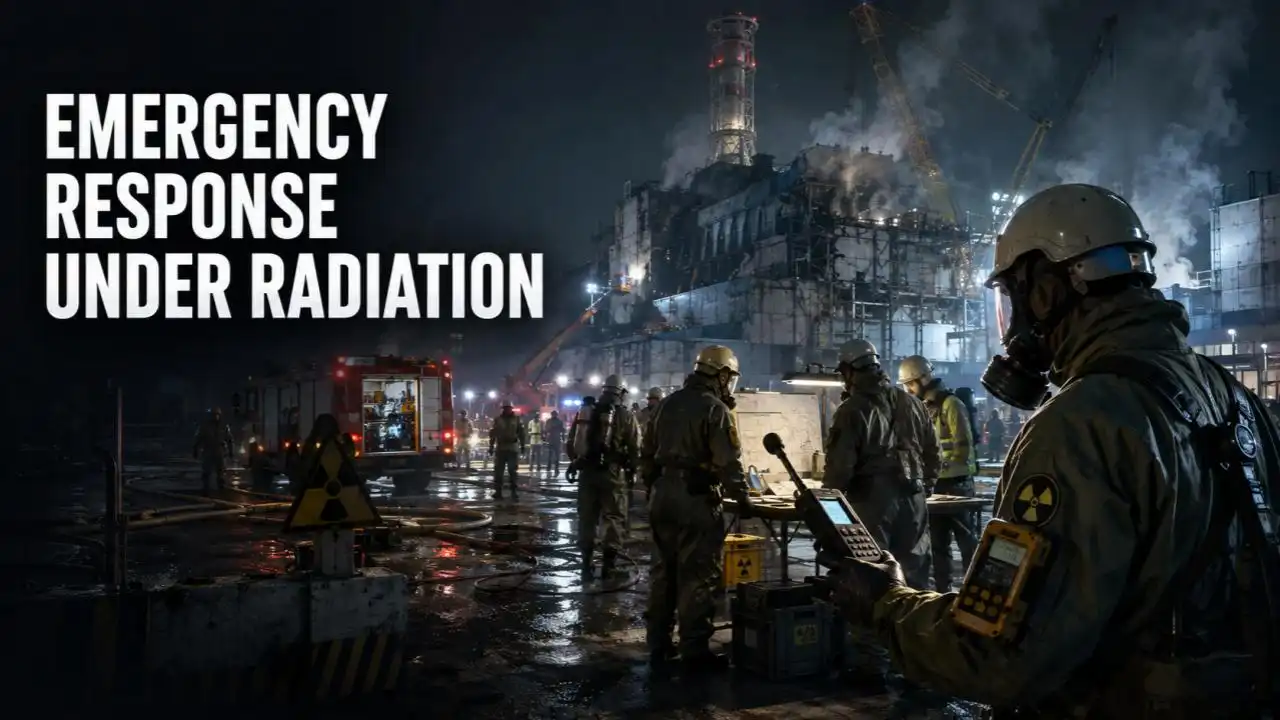
Radiation emergencies also require monitoring, protective measures and coordinated command. Furthermore, emergency plans should be tested before a real incident occurs.
Watch the Chernobyl Accident 1986 Video
Watch our video for a visual explanation of the Chernobyl Accident 1986, including its causes, accident sequence and safety lessons.
Radiation Release and Exposure due to Chernobyl Accident
The Chernobyl Accident 1986 released radioactive material into the atmosphere. Weather conditions subsequently transported radionuclides across large areas.
Radioactive Iodine
Iodine-131 became important because the thyroid absorbs iodine. Children exposed through contaminated food and milk faced increased thyroid cancer risk.
Cesium Contamination
Cesium-137 contributed to longer-term environmental contamination. Therefore, radiation monitoring and food controls became important parts of the response.
Health Effects of the Chernobyl Accident
Some emergency workers received very high radiation doses. According to UNSCEAR, 134 people developed acute radiation sickness.
Twenty-eight people died during the first months following the accident. In addition, increased thyroid cancer occurred among children and adolescents exposed to radioactive iodine.
Radiation health effects depend on factors such as dose, age and exposure pathway. Therefore, scientific evidence should guide health assessments.
Environmental Effects of the Chernobyl Accident
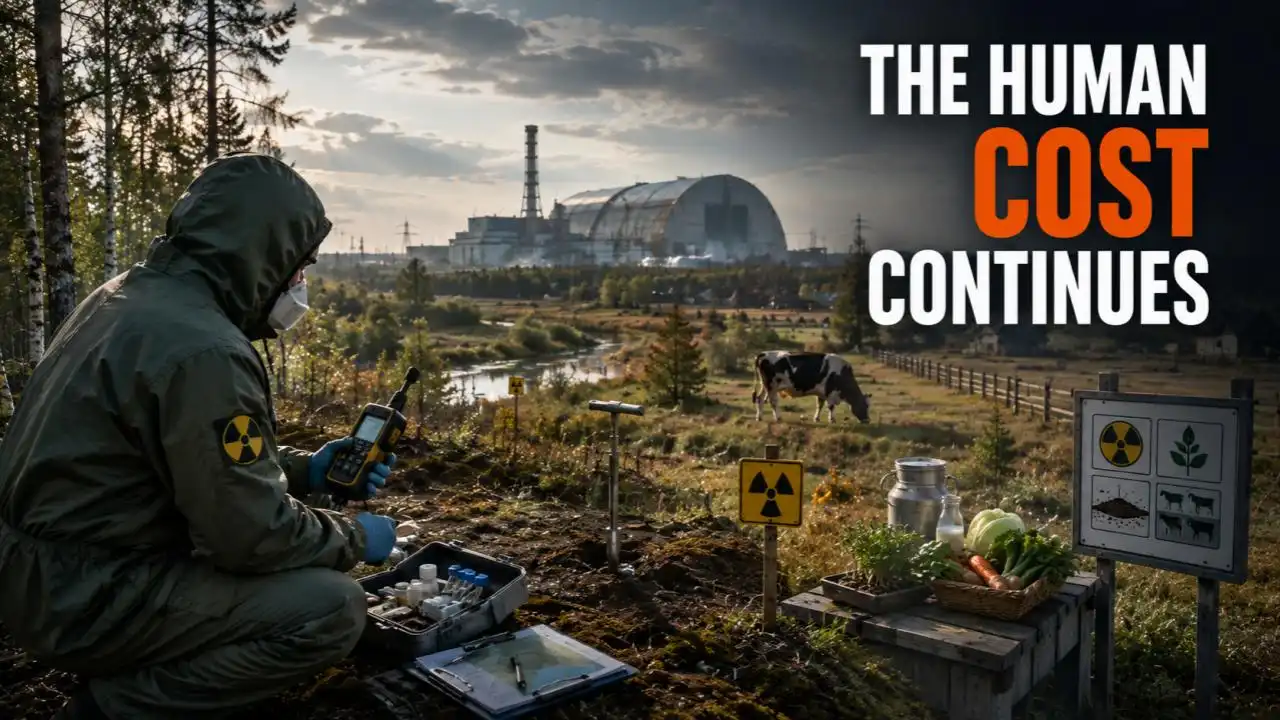
Radioactive contamination affected soil, forests, agricultural areas and food chains. However, contamination levels varied considerably by location.
Long-lived radionuclides require long-term environmental monitoring. Consequently, measurements remain essential for evaluating exposure and land-use decisions.
Evacuation of Pripyat due to Chernobyl Accident
Pripyat was the city closest to the nuclear power plant. Authorities began evacuating residents on 27 April 1986.
The evacuation demonstrated the importance of rapid public communication. Furthermore, emergency planning must consider transportation, medical care, food, water and family reunification.
Long-term relocation also affected many communities. Therefore, emergency planning should address both immediate and long-term consequences.
How Was the Destroyed Reactor Contained after Chernobyl Accident?
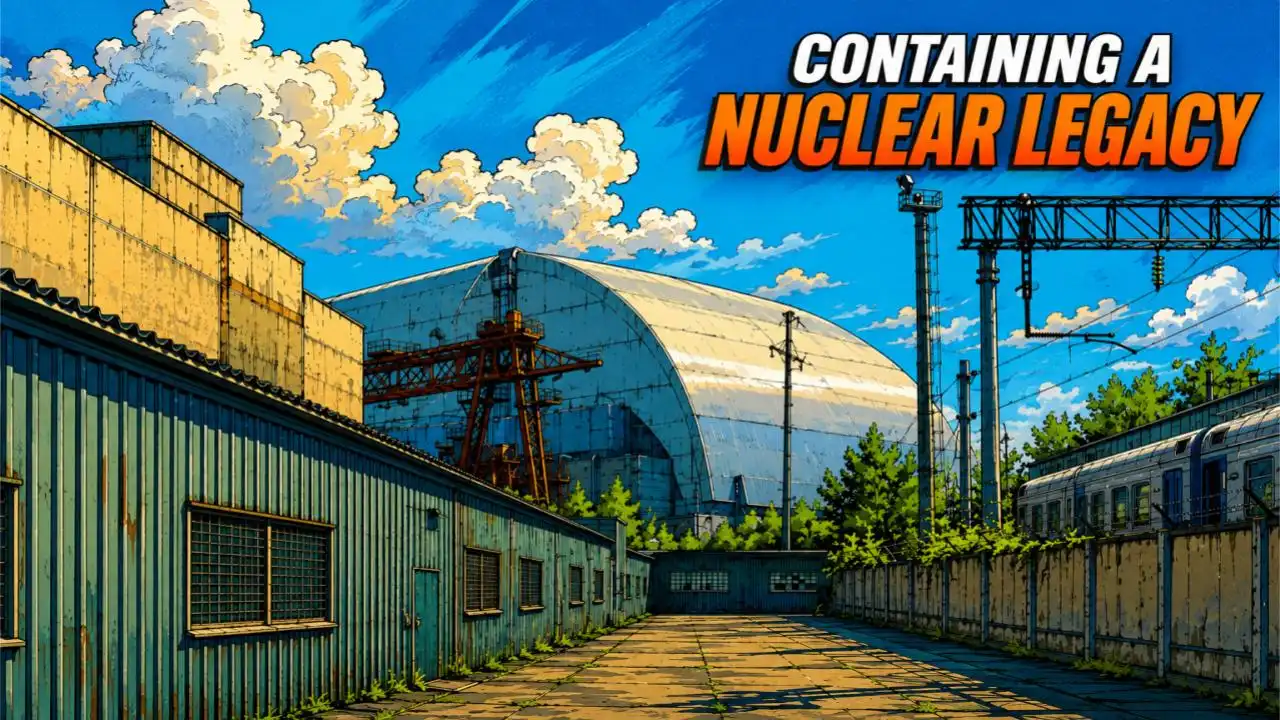
A temporary protective shelter was constructed over the destroyed reactor during 1986. The structure became known as the Shelter.
Later, the New Safe Confinement project provided a larger protective structure over the original shelter. This approach created an important engineered barrier for long-term management.
Why Containment Matters
Containment systems help isolate hazardous material. Moreover, engineered barriers can reduce the chance of further environmental release.
Chernobyl Accident 1986 Safety Lessons
The Chernobyl Accident 1986 provides lessons that extend far beyond nuclear power. High-risk industries can apply these principles when managing complex hazards.
Design Safety
Safety should begin with engineering design. Workers should not carry the entire burden of controlling hazardous conditions.
Safety-Critical Systems
Emergency systems should remain predictable during abnormal conditions and foreseeable operator actions.
Clear Procedures
Procedures should match actual equipment behavior. Workers also need training for abnormal conditions.
Human Factors
Workload, communication, fatigue and interface design can influence safety performance.
Emergency Preparedness
Emergency plans should be realistic, tested and supported by accurate hazard information.
Independent Oversight
Independent technical review can identify weaknesses that internal teams may overlook.
Near-Miss Learning
Organizations should investigate near misses before they develop into serious incidents.
Stop-Work Authority
Workers should have a clear way to stop unsafe activities without fear of retaliation.
Safety Communication
Critical hazard information must reach the people making operational decisions.
Systems Thinking
Major accidents can involve multiple interacting weaknesses. Investigations should examine the complete system.
Lessons for Modern Industry
The Chernobyl Accident 1986 remains relevant because modern facilities are also complex systems. Automation can reduce some risks. However, people still design systems, operate equipment, interpret alarms and respond to emergencies.
Chemical Industry
Chemical plants can apply these lessons through process safety management, emergency planning and independent safety review.
Oil and Gas
Refineries and fuel facilities can strengthen safety through engineered safeguards, leak detection and emergency shutdown systems.
Manufacturing
Manufacturing facilities can apply similar principles through machine guarding, lockout procedures and hazard identification.
For practical workplace protection, explore our Machine Guarding Safety guide .
Key Takeaways From the Chernobyl Accident

What Safety Professionals Can Learn
- Major accidents can involve multiple interacting causes.
- Safety should begin with engineering design.
- Emergency systems must work during abnormal conditions.
- Operators need accurate information about system behavior.
- Human factors should be included in safety analysis.
- Safety culture should support speaking up and stopping unsafe work.
- Emergency plans should be tested before real emergencies occur.
- Independent oversight can strengthen safety barriers.
- Near misses provide valuable opportunities for prevention.
- Environmental monitoring can remain necessary for decades.
Why the Chernobyl Accident Still Matters
The accident occurred in 1986. Nevertheless, its lessons remain relevant to modern high-risk industries. Technology may change. However, complex systems can still fail when multiple weaknesses align.
Therefore, organizations should continuously strengthen engineering controls, training, communication and emergency preparedness.
Most importantly, safety management should identify weak barriers before they combine. That approach can prevent incidents from becoming disasters.
Frequently Asked Questions About the Chernobyl Accident
When did the Chernobyl accident happen?
The Chernobyl accident occurred on 26 April 1986 at Unit 4 of the Chernobyl Nuclear Power Plant.
What caused the Chernobyl accident?
The disaster resulted from interacting reactor design characteristics, unstable operating conditions, operator actions and organizational weaknesses.
Was Chernobyl caused only by human error?
No. Later investigations emphasized the interaction between reactor design, operating conditions, safety systems and organizational factors.
Was Chernobyl a nuclear bomb explosion?
No. Chernobyl was not a nuclear weapon explosion. It involved a rapid reactor power increase followed by destructive explosive events and radioactive release.
How many people developed acute radiation sickness?
UNSCEAR reports that 134 people developed acute radiation sickness after the accident.
When was Pripyat evacuated?
Pripyat was evacuated on 27 April 1986 after the accident.
What is the biggest Chernobyl safety lesson?
The central lesson is that multiple weaknesses can combine. Strong safety requires reliable design, competent people, effective procedures and tested emergency systems.
Conclusion
The Chernobyl Accident 1986 changed the global understanding of nuclear safety. It showed how technical weaknesses, human factors and organizational problems can interact.
Its lessons extend beyond nuclear facilities. They apply wherever complex systems contain high-energy or hazardous processes.
Strong safety management therefore requires more than written rules. It requires reliable engineering, competent people, accurate information, strong leadership and tested emergency systems.
Sources and Further Reading
This article uses original explanatory wording. Factual background should be checked against authoritative scientific and technical sources.